
The infrastructure behind digital transformation
When we talk about artificial intelligence, our thoughts immediately turn to software, algorithms and chatbots. Behind every computational process, however, there is a physical infrastructure comprising data centres, electrical systems and cooling systems. The growth of AI is rapidly increasing the demand for computing power and, consequently, the energy consumption required to power and cool increasingly complex digital infrastructure.
The figures confirm the scale of the phenomenon. According to the latest market analyses, the European AI-related data centre sector could grow from around $22 billion in 2026 to over $65 billion in 2031, with annual growth rates exceeding 24 per cent. At the same time, the overall European data centre market is forecast to exceed $100 billion by 2031.
Global investment is also reaching unprecedented levels. According to McKinsey, the race for AI infrastructure could generate up to $7,000 billion in investment by 2030, primarily directed towards data centres, energy networks, cooling systems and electrical equipment.
Companies and facilities are therefore required to adapt to new demands in terms of efficiency, reliability, performance, operational continuity and safety. This evolution will lead to the development of new, high-intensity electrical plant architectures, designed to support increasing loads and ensure the proper functioning of systems.
This transformation does not concern the digital world alone. It involves the entire industrial supply chain and all organisations that design materials, components and technologies intended to operate within increasingly high-performance infrastructures.
New opportunities are therefore opening up for the manufacturing sector: from power distribution components to cooling systems, right through to technical materials intended for environments requiring high reliability and operational continuity.
NTS is also part of this change. Through the development of polymer composite components and production processes focused on precision and reliability, we contribute to the creation of the technologies that will drive the energy and digital revolution.
Because behind artificial intelligence there are not only data and algorithms, but also systems, energy, materials and components that make its operation possible.

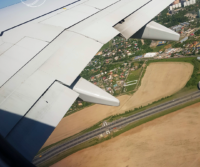
Over the past few months, we have shared several milestones of the path NTS is building within the Aerospace sector. A journey rooted in the expertise we have developed in the moulding of thermoplastic and thermoset composites, and one that is now finding applications in a market increasingly focused on performance, reliability and innovation.
We have talked about the investments transforming the European aerospace supply chain, the opportunities they create, and the value that advanced manufacturing know-how can bring to this industry.
We have also shared concrete projects, such as the development of composite connectors with overmoulded conductive metal pins: applications that require precision, control and a deep understanding of both materials and production processes.
At the same time, we are completing our journey towards EN 9100 certification, an important step that further strengthens our approach to quality, traceability and continuous improvement.
Another significant milestone along this path was our participation in ILA Berlin.
The exhibition gave us the opportunity to connect with companies, professionals and stakeholders across the aerospace industry, gain new insights and deepen our understanding of the evolving needs of this sector. For us, it was a confirmation of the direction we have already taken: continuing to invest in skills, technologies and processes to be increasingly prepared for the challenges of highly specialized markets.
The journey continues. New challenges lie ahead. We are ready to rise to them.
Over the past few months, we have talked about maintenance from different perspectives. Not simply as a technical service, but as a strategic activity that helps ensure production continuity, mould reliability and long-term efficiency.
We started by highlighting the value of the people behind every maintenance intervention. Skilled professionals who combine technical expertise, problem-solving and hands-on experience to support customers in their daily production challenges. We then explored what maintenance really means at NTS: a process of continuous learning, analysis and improvement.
Every intervention is an opportunity to understand a mould better, identify potential issues and optimize its performance over time.
Another key topic has been prevention.
In manufacturing environments, maintenance is often postponed because production comes first. Yet experience shows that preventing a problem is almost always more effective than managing an unexpected stop. This is why we provide scheduled, preventive and extraordinary maintenance services tailored to the specific needs of each mould and production process. Because maintenance is not just about fixing what is broken. It is about protecting investments, reducing downtime and helping our customers work with greater confidence every day.
Whether it is a routine inspection, a preventive maintenance plan or a specific technical intervention, our goal remains the same: ensuring the continuity and reliability of your production.
Because the best maintenance is the one that prevents problems before they happen.
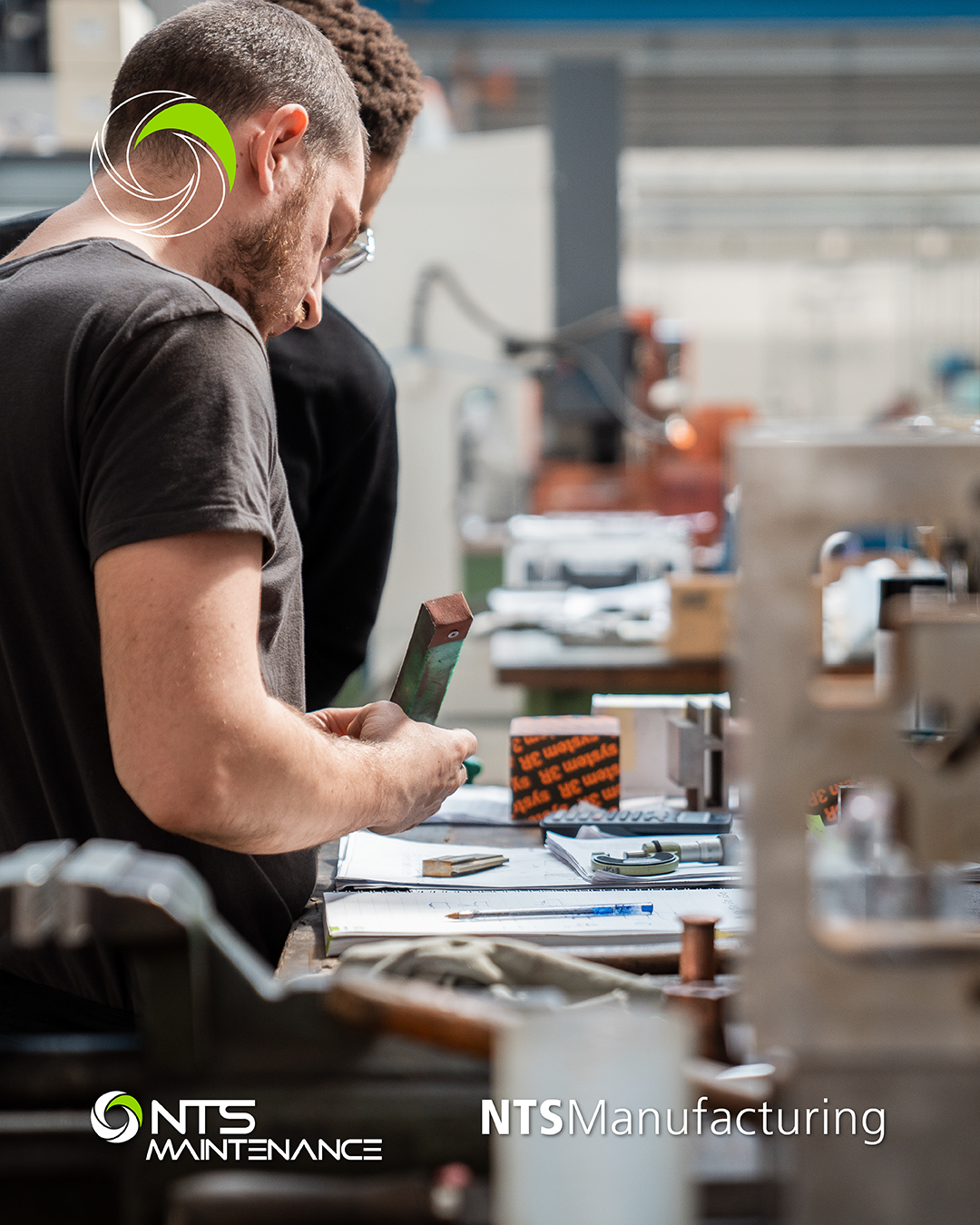

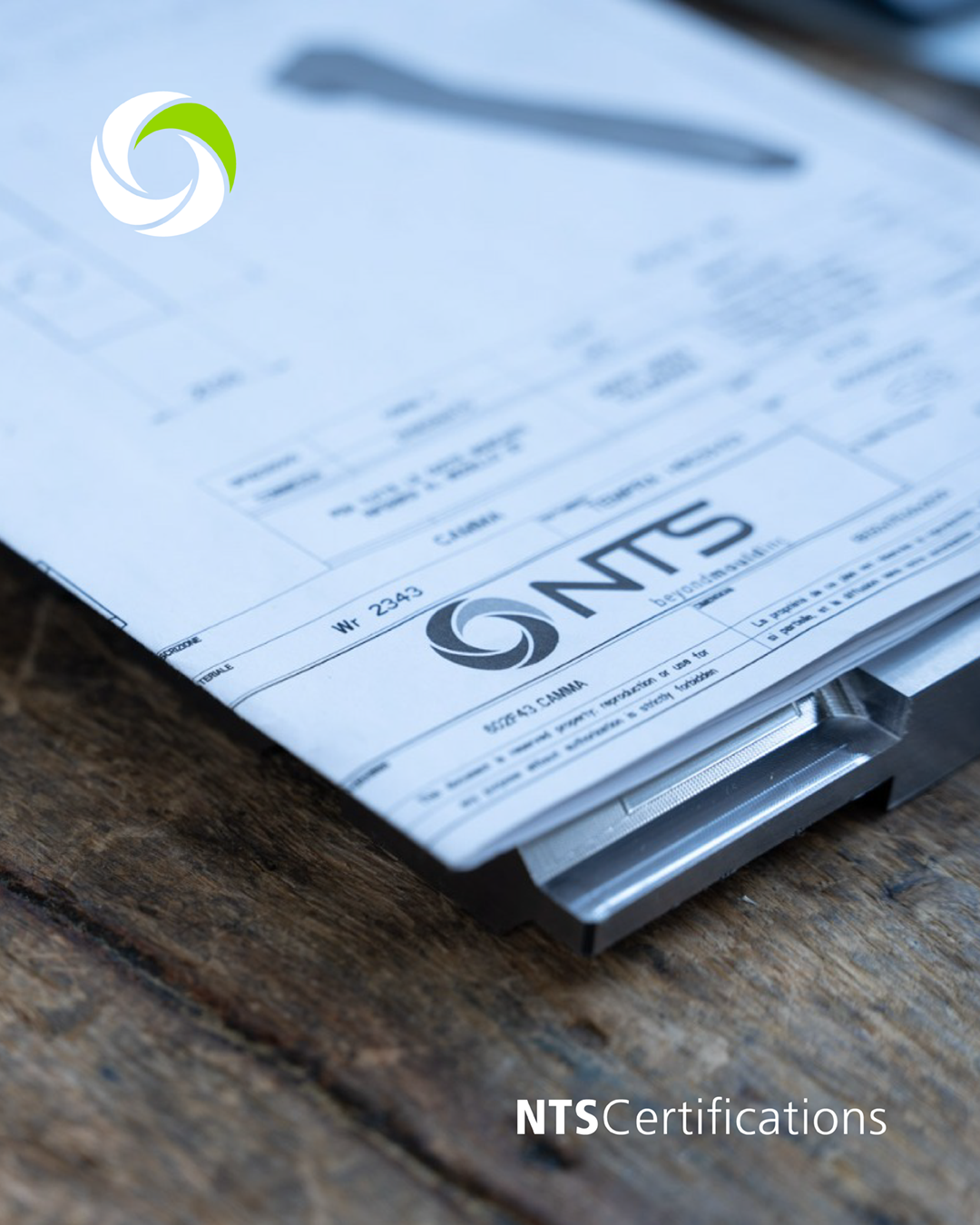
At NTS, we believe that quality is not something you achieve once and then take for granted. It is an ongoing journey built on discipline, attention to detail and continuous improvement. That is why we are proud to have successfully maintained our IATF 16949 certification, the internationally recognized quality standard for the automotive industry.
This achievement confirms our ability to manage production processes in compliance with some of the most demanding requirements in manufacturing, while keeping reliability, process control and customer focus at the core of everything we do. More than a milestone, however, we see it as an opportunity to keep moving forward.
Every audit gives us the chance to review our processes, identify areas for improvement and continue growing as an organization. Because raising the bar is the best way to evolve, improve performance and deliver even greater value to our customers.
The path toward operational excellence does not end with a certification. It continues every day through the commitment, professionalism and dedication of the people who make NTS what it is.
A special thank you to the entire NTS team for this important achievement and for their continuous contribution to the company’s growth and improvement.
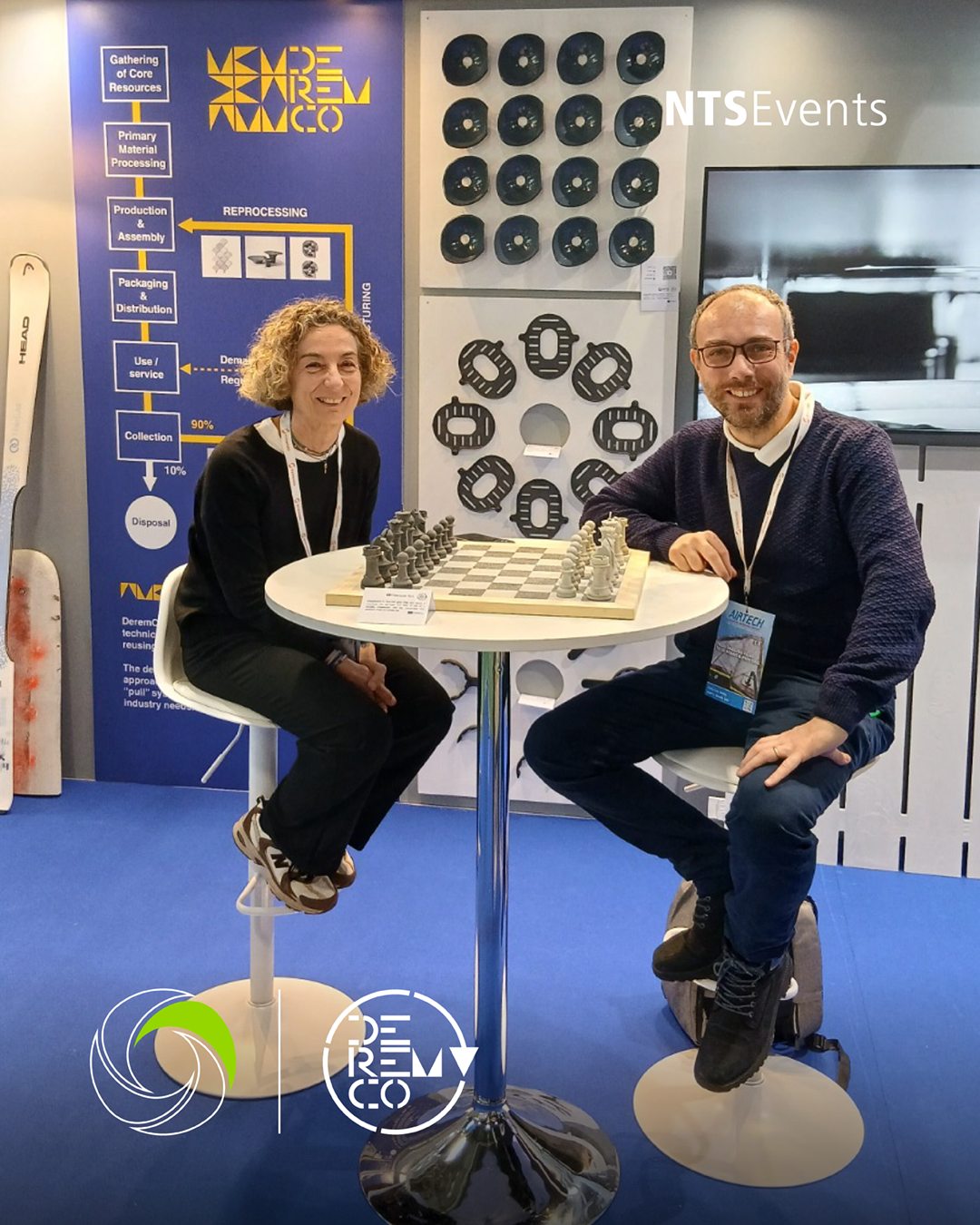
The future of composites is circular.
We are thrilled to have participated in JEC 2026, an edition that for us marks the culmination of three years of intense work and research. Together with our partners in the #DEREMCO project, we presented the results obtained on the recycling of fiber-reinforced composite materials: concrete milestones that open new paths to industrial sustainability.
The energy at the fair was incredible: there is a real hunger for sustainable solutions, and we at #NTSmoulding are proud to be at the forefront. Already receiving numerous requests for further information motivates us to push innovation even further.
A heartfelt thank you to our partners who curated and made our presence at this prestigious fair possible: Politecnico di Milano, Fondazione Polimi, and AFIL.
If you would like to learn more, we are ready to support you in the transition to advanced and sustainable materials.
Contact us to discuss a case study applied to your business.
At NTS, we are already working to respond to some of the requests we have received.
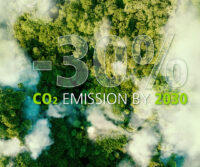
Our Commitment to Reducing Carbon Intensity
At NTS S.p.A., we are committed to minimizing our environmental impact and contributing to a sustainable future: we continuously monitor and improve our performance in reducing greenhouse gas (GHG) emissions.
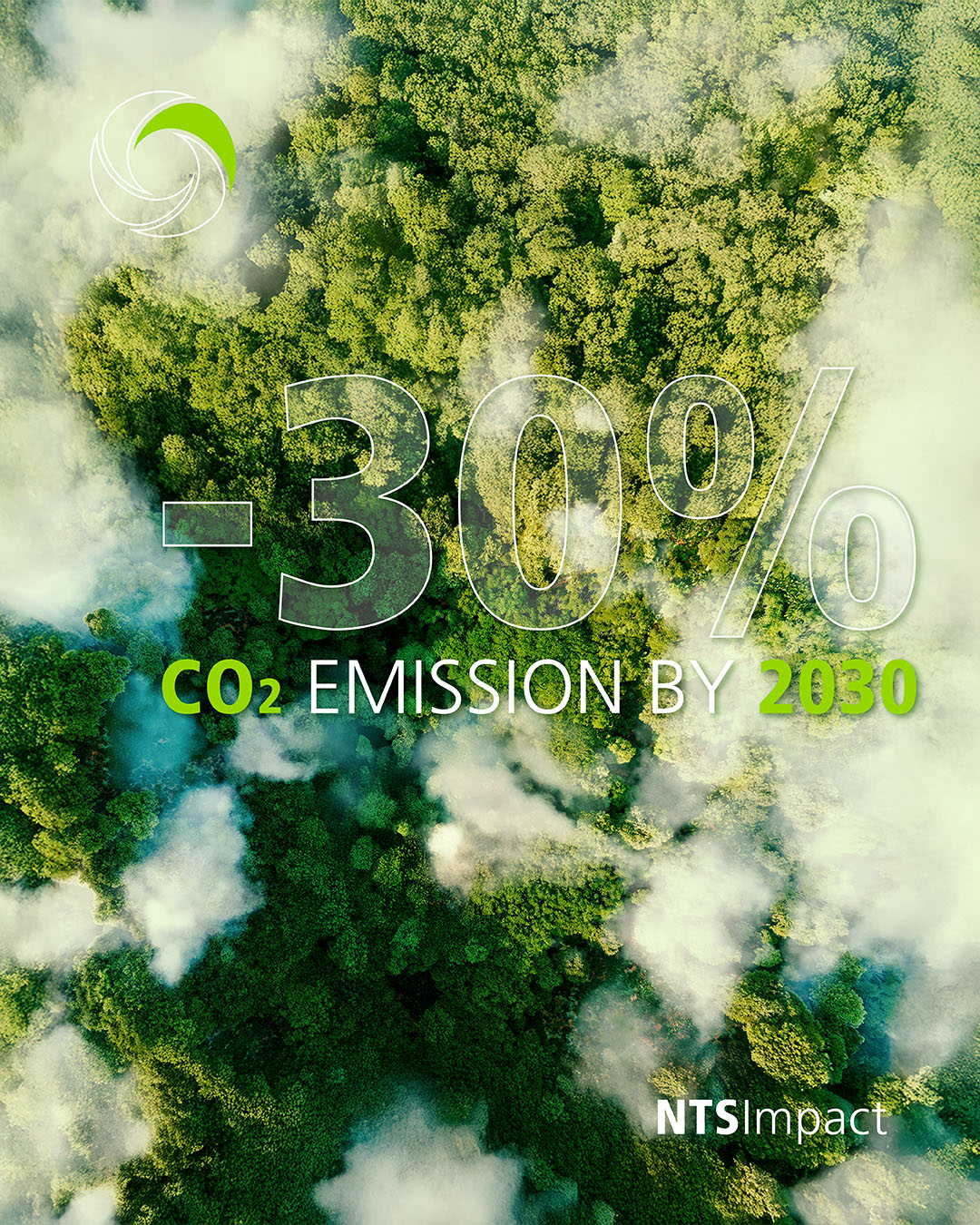
NTS is committed to reducing its CO₂ emissions by at least 30% by 2030, using 2023 as the baseline year and location based calcolation.
This statement is based on the efficiency improvements made and planned for the coming years:
- Power Quality completed
- LED lighting efficiency improvements completed
- 513 kW photovoltaic system planned by 2026
- Compressed air system optimisation by 2026
- Heat pumps by 2030